
MDPE & LDPE Pipes

Supply water to your irrigation system with a network of LDPE, HDPE and MDPE pipe coils. Each option is available at different lengths and dimensions to meet various requirements. All pipes are flexible and lightweight, making them easy to install with appropriate fittings.
Whether you need to deliver potable water, set up a micro-drip system, or install pop-up sprinklers, our range of pipes ensures you have everything you need at competitive prices.
Build Durable Irrigation Systems with our Polyethylene Pipes
Irrigation takes different forms depending on factors such as the type of crop, growth stage, water availability, and growing environment. Explore our range of high-quality pipes and assemble an effective, durable, and water-efficient irrigation system.
Pipes for Transporting Irrigation Water
Low-Density Polyethylene (LDPE) pipe is suitable for transporting non-potable irrigation water. LDPE pipe is widely installed on or just below the surface with drip irrigation systems and micro-sprinklers.
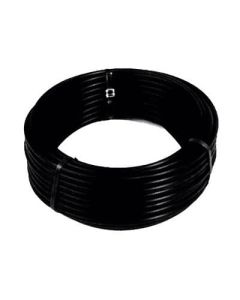
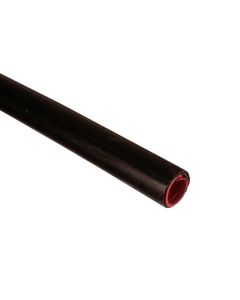
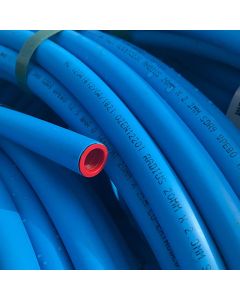
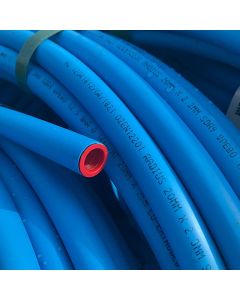
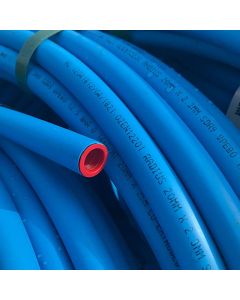
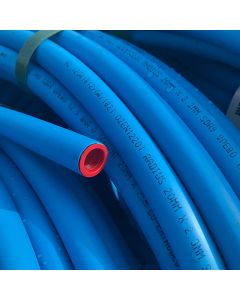
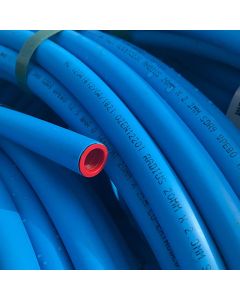
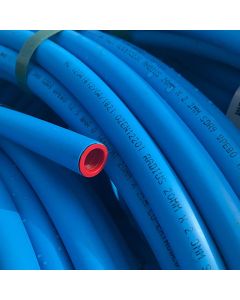
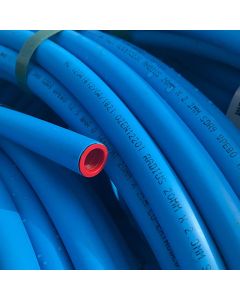
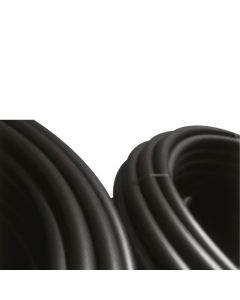
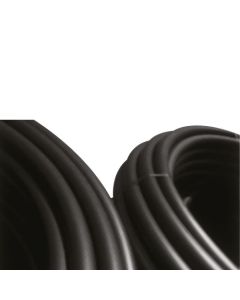
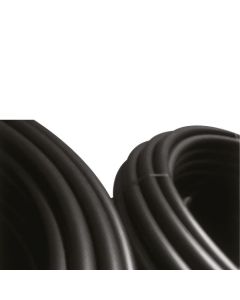
Medium Density Polyethylene (MDPE) pipe has a much higher pressure rating. Blue MDPE pipes can be buried underground and used for potable water distribution, whereas black MDPE is fitted above ground and used in non-potable water applications.
High Density Polyethylene (HDPE) pipe is tough and inappropriate for mains supply or potable water applications. Often these pipes are used to form underground sprinkler irrigation systems.
Complete your network of pipes and waterways with our vast array of corresponding fittings and fixtures, or level up your set-up by installing timers and controllers.






Frequently Asked Questions
MDPE (Medium-Density Polyethene) is a flexible, durable, and cost-effective plastic piping material primarily used to distribute potable (drinking) water and gas. Its primary applications are mains water supply, sub-mains distribution, and large-scale irrigation systems.
LDPE pipe (Low-Density Polyethene) is a flexible plastic tubing primarily used for low-pressure water conveyance in horticulture, agriculture, and domestic settings, such as irrigation systems.
LDPE pipes are valued for their flexibility, ease of installation, and suitability for efficient, low-pressure watering systems.
Choosing an MDPE pipe size is vital to ensure optimal flow and pressure and minimise operational issues. Key sizing factors include:
- Required flow rate (Peak Demand): This is the most crucial factor. Higher demand requires a larger-diameter pipe.
- Water pressure: The pipe must handle system pressure, but smaller-diameter pipes cause greater frictional resistance and a higher pressure drop.
- Pipe length and system layout: Longer runs and complex systems increase friction loss, often requiring a larger pipe size to compensate.
- Flow velocity: Flowing too fast (high velocity) causes issues like "water hammer" Larger pipes reduce velocity for a given flow rate.
- 20mm: Suitable for small domestic feeds, garden irrigation, and short runs.
- 25mm: Used in standard domestic cold-water supply (UK standard) and small to medium gardens. Most common single-dwelling size.
- 32mm: Useful for multiple occupancy, light commercial, or larger domestic use with higher demand.
- 50mm+: Suited to housing development mains, extensive commercial/industrial use, and bulk water transfer. Ideal for high-volume or long-distance flow maintenance.
Although MDPE pipe is primarily designed for underground water use, its durability technically allows above-ground installation.
However, this is advised against due to practical and material drawbacks, such as:
- UV degradation: Direct sunlight degrades MDPE, making it brittle and prone to premature failure, even though some black variants exhibit limited UV resistance.
- Thermal movement: Extreme temperature swings above ground cause significant expansion and contraction, stressing fittings and increasing the risk of leaks.
- Vulnerability: Above-ground pipe lacks the natural protection of being buried, making it susceptible to physical damage and aesthetically unsuitable.
Above-ground pipes are highly prone to freezing and bursting in cold weather, unlike insulated buried pipes.