
Netting & Fabrics

Protect your cherished horticultural and agricultural efforts with our extensive range of garden netting and fabrics. We have solutions tailored to every need – from pest-repelling mesh netting and ground stabilisation to strong windbreaks and shade nets. You'll also discover innovative textiles like horticultural fleece and capillary matting, which promote healthy plant growth.
Browse the entire range to uncover an array of practical materials for protecting and maintaining your crops and plants at competitive prices.
Shield and Care for Your Crops with Premium Garden Netting and Fabrics
Our wide selection of garden netting and textiles is designed to meet the diverse needs of horticulture, agriculture, and landscaping tasks. Are pests threatening to ruin your harvests and undermine all your hard work? Consider our protective mesh for physical defence. We offer everything from extra-fine insect netting that keeps tiny invaders at bay to anti-bird and wire barrier netting that fends off larger predators like birds, rabbits, and even the sneakiest of foxes! These valuable nettings also promote sustainable growing practices by reducing reliance on chemical interventions.
When environmental stressors put your plants at risk, intervene with physical solutions like fleece protection, windbreaks, and shade netting. We also offer several handy ground materials, such as capillary matting for hydration, weed control fabrics, and ground stabilisation to prevent soil erosion.
Discover Additional Crop Support at LBS Horticulture
Don't overlook our plant support and tree care products if you require further growing solutions. These items are designed for extra assistance and control as you cultivate your garden, nursery, or agricultural space.
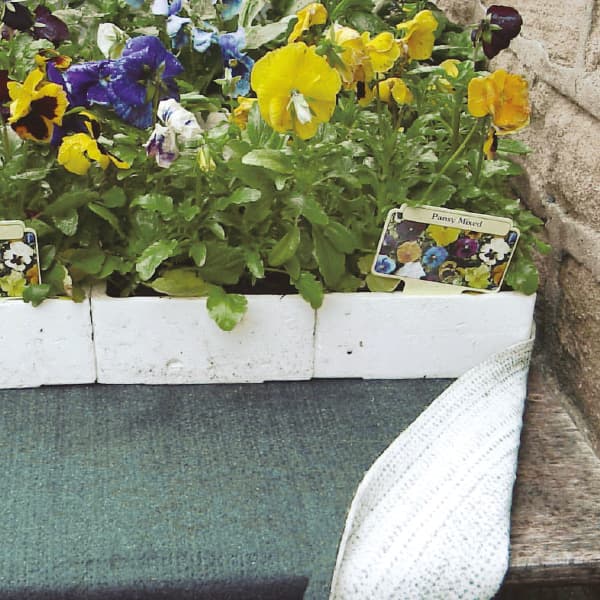 Capillary Matting
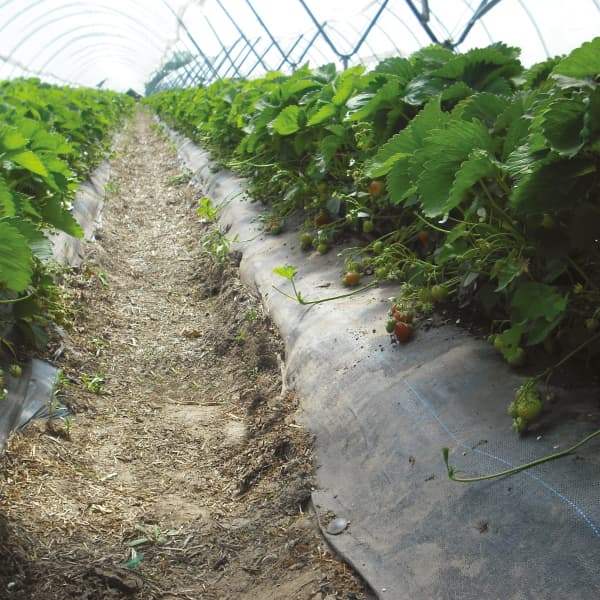 Ground Fabrics & Accessories
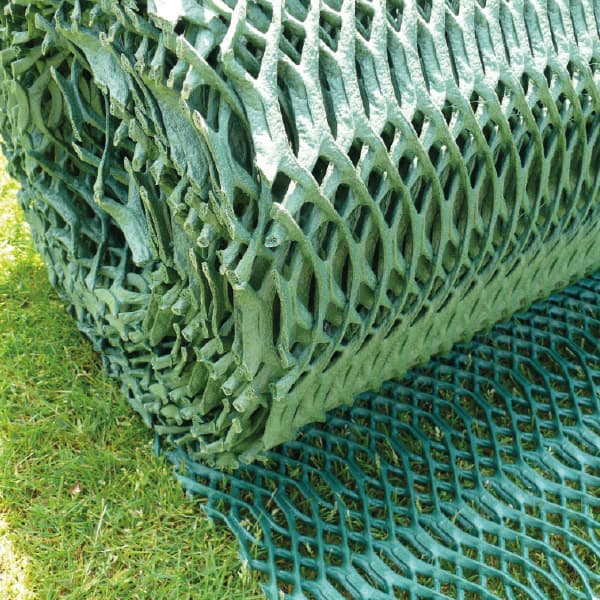 Ground Stabilisation
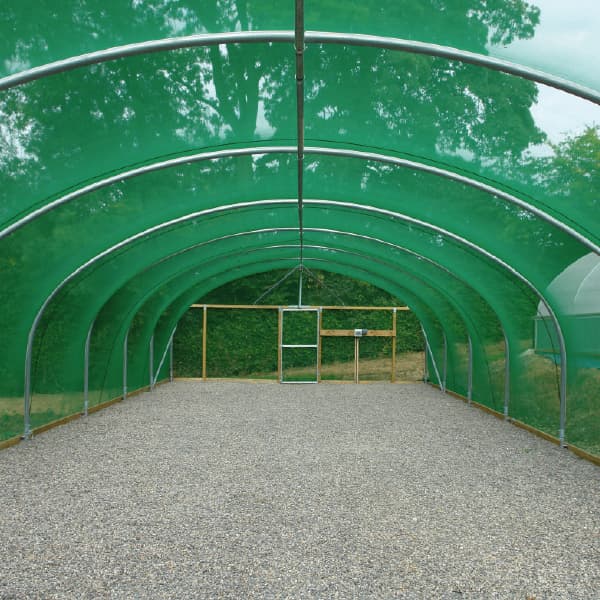 Windbreak Shade Net & Screening
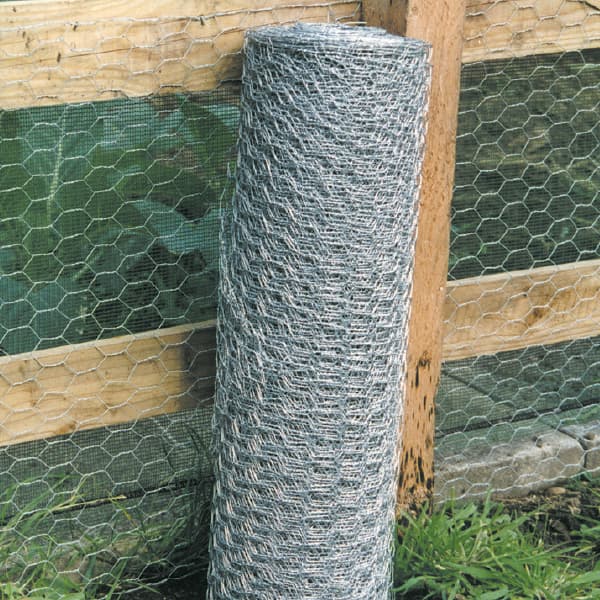 Wire & Barrier Netting
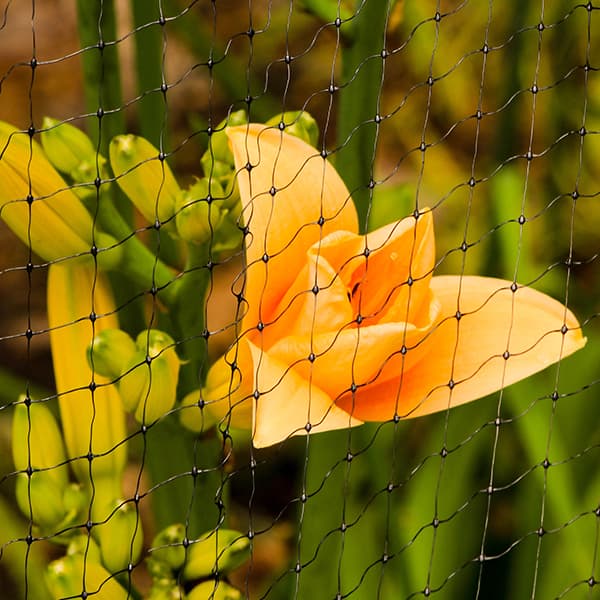 Anti Bird & Pond Netting
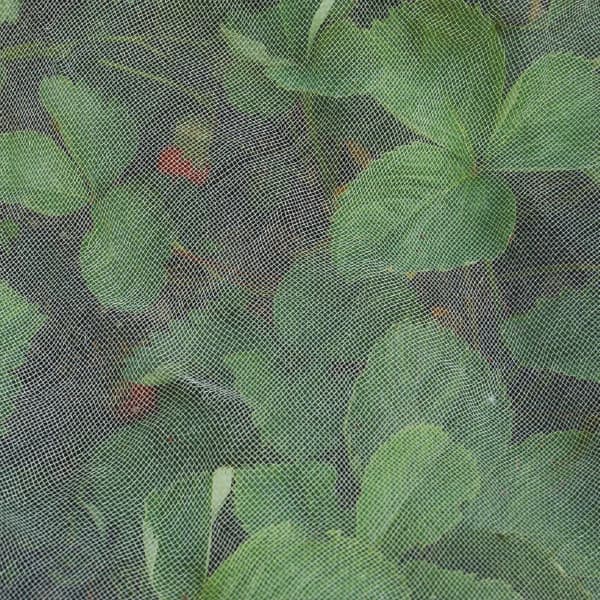 Insect Netting
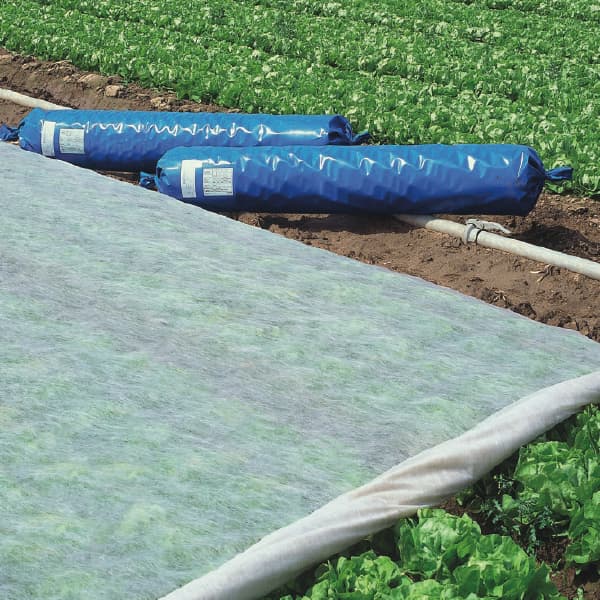 Frost Protection Fleece
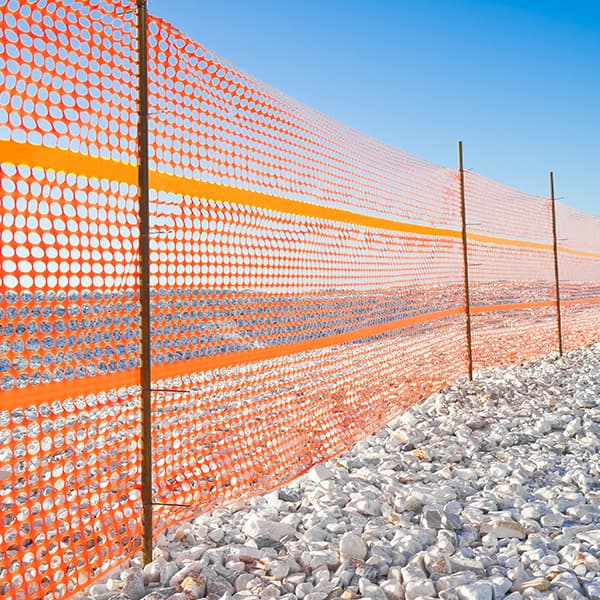 Fencing Accessories
Frequently Asked Questions
Garden netting acts as a physical barrier, stopping birds from eating seeds, preventing insects from laying eggs, and keeping mammals such as rabbits from eating mature crops. It protects vulnerable soft fruits and brassicas while allowing essential sunlight, air, and water to reach them for strong growth.
Horticultural netting also offers crop support and protection from UV and weather.
Secure garden netting is vital for protecting crops from pests, birds, and weather conditions. You will need:
- Netting: Ensure you have the right size and type for your needs, e.g. do you need anti-bird netting or insect netting?
- Support: Hoops (temporary), rigid frames (permanent), or stakes/posts will support your garden netting and prevent sagging.
- Fixings: Fencing accessories, such as wire and staples, are useful, while plant-tying products, such as cable ties and twine, are also helpful.
Attaching to hoops or frames.
- Installation: Secure hoops (every 1-1.5m) or assemble rigid, level frames.
- Draping: Gently lay the garden netting over the structure and allow for some slack; it should reach the ground without stretching.
- Securing: Use clips on hoops or cable ties/twine on rigid frames. Ensure the fit is tight enough to remove slack without causing strain.
Secure the edges to deter pests.
- Hooped rows: Pin the netting to the soil using ground pegs/ground staples at 30-50cm intervals along the perimeter.
- Raised beds: Secure the exterior side with heavy bricks/stones, tucking it under the frame, or slightly burying the bottom edge.
Garden netting is a crucial, humane, and chemical-free method for protecting crops from pests such as birds, insects, and rabbits, ensuring a healthy harvest.
Materials:
- Garden netting: Choose mesh size based on the target pest (e.g. bird netting, insect netting, or wire netting for mammals).
- Supports: Use hoops, poles, or stakes to suspend the netting above the plants.
- Fasteners: Use clips or cable ties to secure the netting to the supports.
- Ground anchors: Use ground pins, bricks, rocks, or soil to seal the edges at ground level.
- Tools: You'll need a measuring tape and heavy-duty scissors.
Installation:
- Plan the structure: The netting must be suspended above the plants, providing sufficient clearance for future growth. Determine the required height based on the crop's mature size.
- Install Supports:
Rows: Push hoops into the soil every 1 to 1.5 meters.
Beds: Install stakes at corners and connect them with horizontal poles to form a rigid frame. - Drape the netting: Carefully unroll the garden netting and drape it over the frame, ensuring it covers the entire area, does not rest on the foliage, and allows some slack.
- Secure to the frame: Use clips (for hoops) or cable ties (for frames) to fasten the netting to the structure.
- Anchor edges: Seal the netting completely at ground level to prevent pests from crawling underneath. Methods include:
Burying: Bury the edges in a shallow trench and backfill with soil.
Weight: Place heavy objects (bricks, rocks) along the perimeter.
Pins: Use U-shaped ground pins to secure the edges to the soil at 30-40 cm intervals. - Leave room for access: Leave one side secured with temporary clamps or weights for easy lifting during weeding, watering, and harvesting.