
Water Pumps

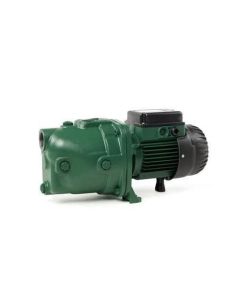
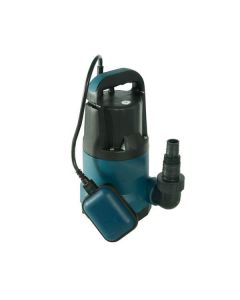
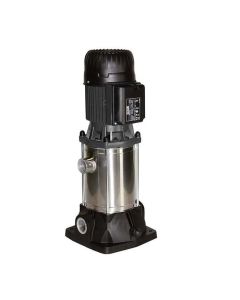
Discover robust and efficient pumps for drawing water from an external source, such as a pond, lake, ditch, canal, or well, to supply your irrigation systems. Select submersible, self-priming or centrifugal pond pumps from renowned brands like DAB and combine them with our filters, fittings and accessories to complete your set-up.
Whatever your preference or irrigation requirements, trust that you're receiving the most competitive prices on your equipment at LBS Horticulture.
Obtain Pond Pumps for Affordable and Natural Irrigation
Drawing water from a natural source, such as ponds, lakes or rivers, is a cost-effective solution to supply your irrigation systems. This approach is particularly beneficial if your work demands regular water in large quantities. To efficiently tap into this valuable resource, you need specific equipment.
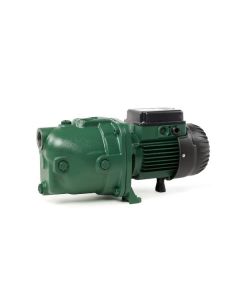
Turn to LBS Horticulture for water pumps that meet your needs. Our stock includes impressive submersible pumps that can be used underwater up to 5m and pump water to 6m above the pump position. You'll also find self-priming centrifugal models like the DAB Jet Pump. This pump has excellent suction capacity even in the presence of air bubbles and is suitable for drawing up water with low levels of sandy impurities.

Frequently Asked Questions
Water pumps convert rotational mechanical energy into kinetic energy, moving water by creating a pressure difference. They are categorised as Positive Displacement or Centrifugal water pumps.
Centrifugal pumps
These standard pumps use a rotating impeller to move water outwards (centrifugal force) into the casing, creating low pressure (suction) at the centre. The subsequent deceleration of the high-velocity water converts kinetic energy into pressure, thereby pushing the water out.
Positive displacement pumps
These pumps deliver a fixed volume of fluid per cycle, making them ideal for high-pressure or viscous applications.
- Reciprocating pumps: Create a vacuum to draw water in, then compress it for high-pressure output.
- Rotary Pumps: Use rotating elements to continuously draw in and discharge water, maintaining flow.
Water pumps are widely used to increase pressure for domestic and horticultural needs; however, there are several non-mechanical methods you can use to help your water pressure.
- Check valves: Ensure the main stopcock and all fixture isolation valves are fully open. Partial closure restricts flow and reduces pressure.
- Clean fixtures: Low pressure at a specific outlet often means blockages. Clean faucet aerators and showerheads of limescale and sediment by soaking in white vinegar. For older, low-flow showerheads, consider replacing them with a modern, high-efficiency model.
- Check for leaks: A sudden pressure drop can signal a leak. Check for damp patches, and perform a water meter test (with all water-consuming devices off) to determine whether there’s a leak and repair it immediately.
- Adjust or upgrade pressure-reducing valves (PRVs): If installed, a PRV might be set too low or be faulty. An adjustable PRV can sometimes be slightly increased (a plumber is recommended), and defective or old PRVs can be replaced.
- Consider pipes: Older, narrow pipes (e.g., galvanised steel) corrode and build up mineral deposits, choking flow. The most comprehensive non-pump solution for low-pressure is repiping with larger-diameter materials (copper or PEX). For outdoor use, installing a dedicated, wider line or irrigation system can bypass internal plumbing restrictions.