
Frost Protection Fleece

Horticultural fleece is an essential crop cover, helping to protect vulnerable plants, trees and shrubs in the colder months. It also forms a useful barrier to keep other harsh weather conditions or harmful pests at bay. At LBS, we offer this versatile material in various thicknesses and sizes to suit your every need.
Are you looking for more ways to protect plants? Visit our collection of netting and fabrics for other protective textiles, or head to our crop protection category for further solutions.
Safeguard Your Plants With Quality Garden Fleece
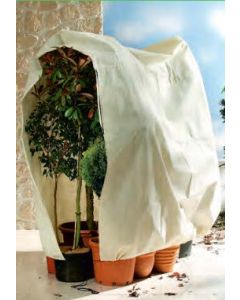
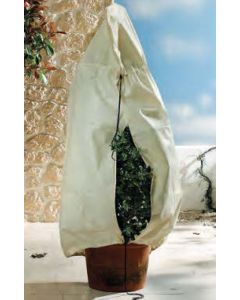
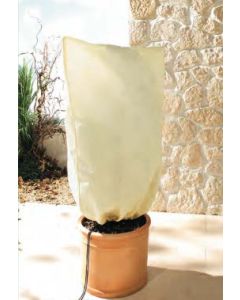
Our horticultural fleece is convenient, available in various sizes and ideal for hobbyists or professionals. Simply wrap or cover your chosen plants and secure them with pegs or string. For effortless protection, try our fitted fleece jackets. These clever designs slip over your plants and are secured with the provided toggle drawstring – great for trees in individual containers.
Enjoy Comprehensive Protection:
Garden fleece is predominantly used for frost protection, particularly for tender plants or those that prefer exotic climates. However, the material can shield crops against hail, wind chill, birds and insects. Plus, it provides UV protection to keep your plants safe from harsh sunlight.
Accelerate Growth:
Horticultural fleece does more than protect; it also promotes growth. The breathable fleece insulates while allowing light to penetrate, and its lightweight design is gentle on delicate shoots. Use these covers to plant young crops around two weeks earlier in the spring, giving you a head start on the growing season.


Frequently Asked Questions
Frost protection fleece is indispensable for any gardener looking to safeguard their plants from cold, frost, and harsh winter weather. This lightweight, breathable material acts as an insulating blanket, creating a microclimate around the plants that can raise the ambient temperature by a few degrees to prevent frost damage.
Frost fleece, also known as garden fleece or horticultural fleece, is available in different sizes and weights, typically measured in grams per square metre (gsm).
It's incredibly versatile and can be used in several ways depending on the type of plant and the required level of protection:
-
Directly over plants:
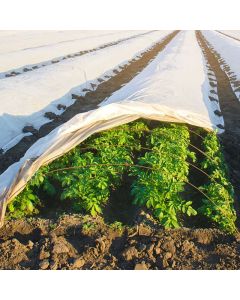
- Installation: Simply lay the fleece directly over individual plants, rows of vegetables, or flower beds. The fabric is light enough not to crush most plants.
- Securing: Anchor the edges to prevent the wind from lifting the fleece and exposing the plants to the cold. Use soil, bricks, heavy stones, or specialised fleece pegs/staples to securely anchor the perimeter. Ensure there is enough slack to allow plants to grow and air to circulate.
-
Supported Structures (Mini Tunnels or Cloches):
- Installation: For taller or more delicate plants that shouldn't bear the weight of the fleece, create a supporting frame using hoops. Drape the fleece over this structure to form a protective tunnel or tent.
- Benefits: This method offers a more stable air pocket of insulation and prevents the fleece from touching the foliage, which can sometimes transmit cold.
-
Wrapping Individual Plants and Containers:
- Installation: For shrubs, small trees, or patio pots containing tender plants, completely wrap the entire structure in a thick layer of fleece.
- Securing: Use plant-tying products, such as garden twine or strong clips, to secure the fleece tightly around the stem or the base of the container. Ensure the top is also covered or cinched shut to prevent cold air from entering. Leave a small opening at the top or base on milder days to promote air flow and prevent fungal issues.